
Poker rules look hard until you actually learn them.
I’ve watched people quit before they even see the flop (bad pun, I know).
They think it’s all bluffing and math and fancy hand rankings.
It’s not.
It starts with knowing what beats what. And when to fold. And why betting works the way it does.
This guide cuts through the noise.
It’s for anyone who’s stared at a poker app or sat down at a friend’s table and thought Wait. What just happened?
You’ll learn the core rules fast. No jargon. No fluff.
Just clear, direct explanations that stick.
Understanding these rules doesn’t just let you play. It lets you spot mistakes. Yours and theirs.
That’s how you win more hands.
How to Master the Poker Rules Dtrgsgamer isn’t about memorizing lists.
It’s about building confidence before the first card is dealt.
By the end, you’ll sit at any table and know exactly what to do. Not because you’re lucky. Because you finally get it.
You’ll walk away ready. Not just to play poker (but) to play it well.
What Poker’s Really About
I sat at a kitchen table with my uncle when I was twelve. He dealt five cards and said, “You win if yours beats theirs (or) if they quit first.” That’s it. Win the pot.
Either show the best hand or make everyone fold.
The deck is simple: 52 cards. Ace high. Two low.
No tricks. Just suits and ranks.
Hand rankings? You must memorize them. Not kinda.
Not later. Now. Because if you misread your own hand, you’ll bet big on a pair while someone else has a flush.
And lose fast.
Here’s what beats what:
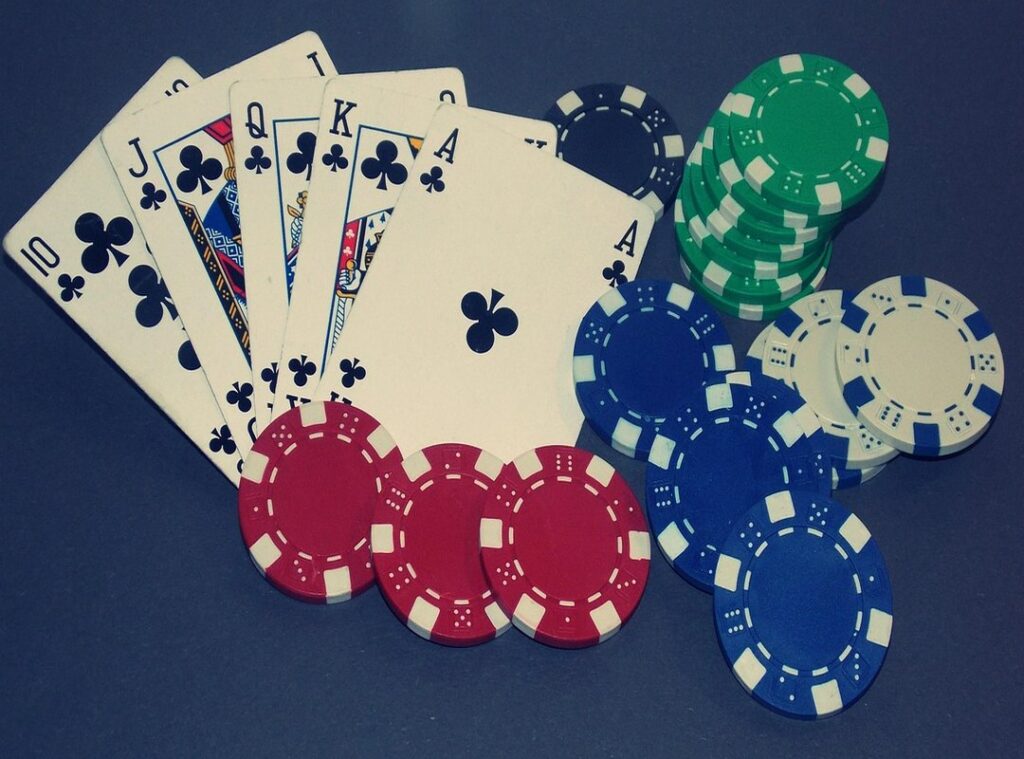
- Royal Flush: 10 J Q K A, same suit. (Uncle got one once. I folded. Still mad.)
- Straight Flush: Five in a row, same suit (like) 4 5 6 7 8 of hearts.
- Four of a Kind: Four matching ranks. Like four sevens.
- Full House: Three of one rank + two of another. Think three jacks and two fives.
- Flush: Five cards same suit, no order needed. All spades. Done.
- Straight: Five in sequence, mixed suits. 9 10 J Q K. Any suits.
Lower hands matter too. Three of a Kind wins over Two Pair. Two Pair beats One Pair.
And sometimes, you win with just an ace. No it, no flush, just the highest card.
That’s how weak hands win. Don’t ignore them.
How to Master the Poker Rules Dtrgsgamer helped me spot mistakes before I made them at real tables.
You’ll fold less. Bet smarter. Read people faster.
It starts with knowing what beats what. Nothing else matters first.
Blinds, Cards, and Betting (No) Fluff
I post the small blind. You post the big blind. That’s how every hand starts.
(Yes, it feels unfair until you realize it keeps the pot moving.)
The dealer button slides left after each hand. Whoever has it acts last pre-flop (and) that matters more than you think.
I get two hole cards. You get two. Everyone does.
Face down. Yours are secret. Mine are secret.
That’s all you need to know for now.
Pre-flop: you can fold, call the big blind, or raise. No other options. Don’t overthink it.
Just pick one.
Then the flop hits. Three cards face up. Now we all share them.
Another round of betting starts. Same choices: fold, call, raise.
Next comes the turn. One more community card. Then another betting round.
Same rules. Same tension.
Finally. The river. Fifth card.
Last chance to bet. Last chance to bluff. Last chance to fold.
You’re not memorizing steps. You’re learning rhythm. When to push.
When to wait. When to walk away.
How to Master the Poker Rules Dtrgsgamer isn’t about reciting terms. It’s about feeling the flow (the) blinds forcing action, the flop changing everything, the river sealing it.
Skip the jargon. Play a few hands. You’ll get it faster than you expect.
Still confused? Good. That means you’re paying attention.
What You Actually Do at the Table

I check when no one’s bet yet.
It’s not doing nothing (it’s) waiting.
I bet when I want to start the action. First chips in the pot. That’s it.
You call when someone else bets and you stay in. You match their amount. No more.
No less.
I raise when I like my hand and want more money in.
It forces others to decide: pay up or walk away.
I fold when I’m beat. Or just don’t want to risk more. I toss my cards.
I’m out. My earlier chips? Gone.
That’s all four. Check. Bet.
Call. Raise. Fold.
No fifth option. No secret move.
You’re asking yourself when to do each one.
So am I. Every single hand.
Timing matters more than memorizing definitions. A check on the flop can trap someone. A raise on the river can steal the pot.
How to Master the Poker Rules Dtrgsgamer isn’t about reciting terms.
It’s about reading people, reading the board, and acting fast.
The Dtrgsgamer gamers advice from digitalrgs page breaks down real hands. Not theory.
They show how pros choose between calling and raising in the moment.
You’ll fold more than you think. Good. That’s discipline.
Bet too much? You’ll learn fast. Call too often?
Someone will notice.
This isn’t chess. It’s human. Messy.
Real.
The Showdown: Who Shows First and Why It Matters
If more than one player stays in after the final bet, it’s time for the showdown.
I watch players fumble their cards like they’re handling live grenades. (They’re not.)
The last person who bet or raised shows first. Simple. No exceptions.
You pick any five cards from your two hole cards plus the five community cards. That’s your hand. No more, no less.
Same best five-card hand? Split the pot. No drama.
Just math.
Don’t flip your cards early if you know you’re beat. It’s weak. It’s unnecessary.
And it gives away free info.
Side pots happen when someone goes all-in for less than others can match. Those players fight for the main pot. Others keep betting into a side pot.
I’ve seen people lose both pots because they misread the board. Or misread themselves.
You think you know your hand? Good. Now prove it.
The real test isn’t bluffing. It’s knowing when to fold before the showdown.
How to Master the Poker Rules Dtrgsgamer means knowing when to show, when to muck, and when to shut up.
Still figuring out what gear helps you focus through all that tension? Which Headphones Should I Get Dtrgsgamer
Your Hand Is Ready
I know you didn’t just want rules.
You wanted to sit down and play without sweating every call.
You now know hand rankings. You understand betting rounds. You know what fold, check, bet, and raise actually do at the table.
That’s enough to start. Not perfect. Not polished.
But enough.
You don’t need to memorize every scenario before your first real hand. You need to feel the rhythm. Try it with friends.
Try it in a $0.01 online game. Lose a few chips. Laugh.
Adjust.
Then. Once the rules stop feeling like homework. You’ll notice something else:
When should I bluff?
Why did that player fold there? What does their bet size really mean?
That’s where How to Master the Poker Rules Dtrgsgamer stops. And plan begins.
Your pain point wasn’t confusion. It was hesitation. So stop waiting for “ready.”
Grab your phone. Open a low-stakes app. Play one full hand right now.
You’ve got the foundation.
Now go use it.