I’ve been in more comeback games than I can count, and I’ll tell you this: most players give up way too early.
You’re probably here because you keep losing matches that feel unwinnable from minute five. Your opponent gets ahead early. Your team starts tilting. And you just watch the slow collapse happen.
Here’s the thing: those games aren’t over. Not even close.
I analyzed thousands of high-level matches to figure out what separates players who can turn things around from those who just accept the loss. The difference isn’t mechanical skill. It’s knowing what to do when everything goes wrong.
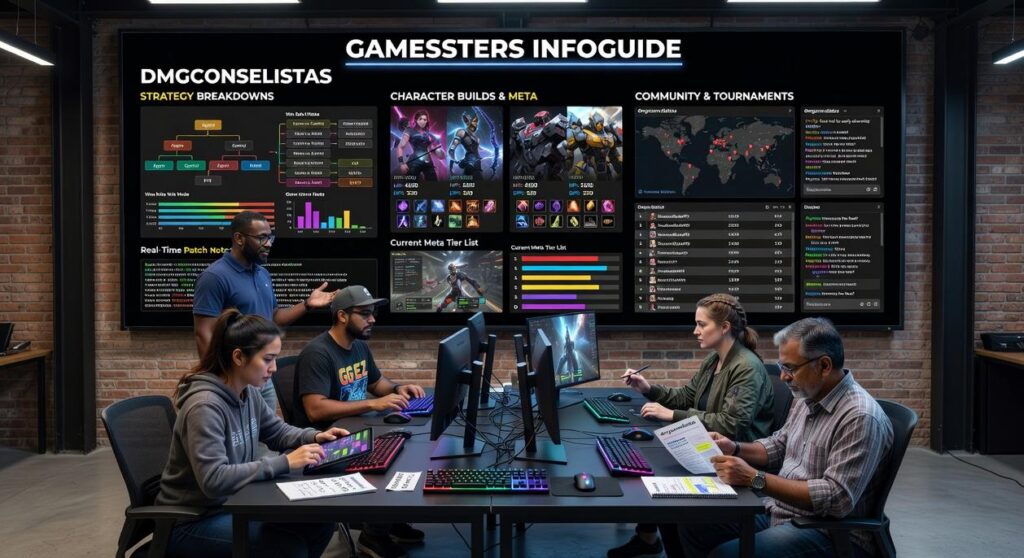
This gamesters infoguide dmgconselistas breaks down the exact framework for in-game damage control. I’ll show you how to stop the bleeding, reset your mental state, and coordinate your team when the pressure is on.
We’re not talking about miracle plays or getting lucky. We’re talking about specific habits that elite players use to claw back from deficits.
You’ll learn how to adjust your mindset when you’re behind, which mechanical priorities actually matter in comeback situations, and how to communicate with tilting teammates without making things worse.
No fluff about staying positive. Just the real strategies that work when the game goes south.
The Psychology of a Comeback: Adopting a Damage Control Mindset
You know that feeling when a match starts slipping away.
Your team’s down three kills. The enemy just took dragon. Someone on your squad is already typing “gg” in chat.
Most players face a choice here. Keep playing like you’re winning or admit things changed.
The difference between these two approaches? It’s everything.
When you’re ahead, you can take risks. You push lanes hard. You contest objectives even when the odds are 50/50. That’s the winning mindset and it works great when you have the advantage.
But when you’re behind, that same approach gets you killed.
I see it all the time. Players refuse to adjust. They keep playing aggressive because that’s what got them to their current rank. They fight for every objective like they’re still in control.
Then they wonder why the gap keeps growing.
Here’s what actually works. The moment you recognize you’re behind, you shift gears. Your goal isn’t to dominate anymore. It’s to stop the bleeding.
Think of it like this. A winning team can afford to trade kills. A losing team can’t. Every death when you’re behind gives the enemy more of a lead. Every risky play that fails makes the comeback harder.
So you play different. You respect their advantage. You avoid fights unless you have a clear numbers advantage. You focus on farming safely and waiting for them to make a mistake.
Some people call this boring. I call it smart.
The hardest part isn’t the strategy though. It’s the mental game. After you make a bad play or lose an objective, your brain wants to fix it immediately. You want to prove you’re not the reason your team is losing.
That’s when you need to hit the reset button. Take a breath. Look at the map. What’s the actual game state right now?
Because dwelling on what happened two minutes ago? That’s how one mistake becomes five.
I learned this the hard way playing gameplay pleuropita for beginners dmgconselistas. You can’t control everything in a match. Your teammate might have terrible positioning. Your connection might lag at the worst moment. Someone might flame you in chat for no reason.
What you can control is yourself.
Your positioning. Your decisions. Your execution. That’s it. That’s the whole list.
And honestly, that’s enough. When you stop worrying about things outside your control and focus completely on what you can actually do, comebacks become possible.
Not guaranteed. But possible.
The gamesters infoguide dmgconselistas approach is simple. Identify when you’re behind. Switch your mindset from aggressive to stable. Reset after mistakes. Control what you can control.
It won’t win every game. But it’ll win games you would’ve lost otherwise.
Core Mechanical Strategies to Mitigate Losses
You know that sinking feeling when your team is down 10 kills at 15 minutes?
Most players panic. They try to force plays that don’t exist. They chase kills they’ll never get.
I’m going to show you how to stop the bleeding.
Defensive Positioning and Vision Control
When you’re behind, the map isn’t yours anymore. Accept that.
Stay closer to your side. Use defensive wards to spot enemy movements before they spot you. Never face-check brushes or corners without vision (that’s walking into dark areas hoping nobody’s there).
Make them come to you. Let them overextend for once.
Resource Management Under Pressure
Here’s what happens when you’re losing. The map shrinks. Your safe zones get smaller.
You need to identify farming patterns that won’t get you killed. That side lane pushing deep? Let it go. That jungle camp near their territory? Not worth it.
Staying alive matters more than squeezing out 200 extra gold. Dead players earn nothing.
Adaptive Itemization
Stop following build guides like they’re scripture.
If you’re getting blown up in fights, buy some armor or magic resist. A defensive item might feel bad when you want damage. But you can’t deal damage when you’re dead.
The gamesters infoguide dmgconselistas approach is simple. Build for the game you’re in, not the game you wish you were in.
Mastering the Art of the Objective Trade
You can’t contest everything from behind. Trying to fight for every tower and dragon is how you turn a close game into a blowout.
Learn to recognize bad fights before they happen. Sometimes giving up an outer tower means you avoid a team wipe that ends the game right there.
Pick your battles. Trade smart.
Communication Tactics: How to Stop a Team from Tilting
You’ve seen it happen.
One bad teamfight and suddenly everyone’s typing essays in chat instead of playing the game.
Here’s what most people don’t get. Tilt spreads faster than any strategy you can call out. One person flaming the jungler turns into two people arguing about a missed gank from seven minutes ago while the enemy team takes your base.
I’m going to be honest with you.
Most communication advice in gaming is garbage. People tell you to “stay positive” like you’re running a kindergarten class. But when your ADC just face-checked a bush for the third time, saying “good try buddy” feels fake and doesn’t fix anything.
So what actually works?
The Power of Positive Framing
One person can stop the tilt. I’ve done it and I’ve watched it happen in games I thought were lost.
Instead of “Why did you do that?” try “It’s okay, let’s group up and focus on the next dragon.”
Notice the difference? You’re not pretending the mistake didn’t happen. You’re just refusing to waste time on it. Forward-looking communication beats backward-looking blame every single time.
Clear and Actionable Callouts
When things get tense, your teammates don’t need a TED talk.
They need simple commands they can act on immediately.
| Instead of This | Say This |
|———————|————–|
| “We shouldn’t be here without wards and their jungler is probably nearby” | “Back off, no vision” |
| “Focus on taking out their support first because they’re keeping everyone alive” | “Target the healer” |
Short. Direct. Actionable.
Save the analysis for after the match (or better yet, just move on to the next game).
Using the Mute Button as a Strategic Tool
Some people think muting a teammate means you’ve given up on winning.
I think that’s backwards.
When someone’s too toxic or tilted to listen, keeping their chat visible just drags you down with them. You start thinking about what they said instead of watching the minimap. You type back instead of farming.
Muting isn’t surrender. It’s protecting your focus so you can play for the teammates who still want to win.
Sometimes the best communication is cutting off the bad communication.
Rallying Around a Single Goal
Here’s where I see most teams fall apart. Everyone has a different idea of what to do next and nobody commits to anything.
Give your team one clear plan. Make it simple and make it achievable.
“Let’s just defend until our carry gets their next item.”
“Let’s set up a trap in this bush.”
“Farm safe for two minutes then group mid.”
You don’t need five people with perfect macro knowledge. You need five people doing the same thing at the same time. A unified team with a basic plan beats five frustrated individuals with brilliant ideas they’re executing alone.
Check out more tactics at gamesters infoguide dmgconselistas if you want to level up your team coordination.
Look, I’m not saying this works every time. Some games are just doomed. But I’ve turned around enough 20-40 score deficits to know that communication matters more than most players think.
The team that stops tilting first usually wins.
Adapting Your High-Level Strategy on the Fly
Most players lose games they could’ve won.
Not because they lack mechanics. Not because their team fed early.
They lose because they never changed their approach.
You started the game planning to dominate team fights. But now you’re down 10k gold and your tank gets shredded in seconds. So what do you do? You keep forcing those same 5v5 fights and wonder why nothing works.
Here’s what separates good players from great ones.
Great players adapt.
When your original plan stops working, you need a new win condition. Fast.
Identify and Counter the Enemy’s Win Condition
Ask yourself one question: what does the enemy team actually need to do to win?
Maybe they need to secure one more objective and they can end. Maybe their assassin just needs to delete your carry in every fight. Maybe their split pusher is about to take your base while you’re dancing mid.
Figure out that one thing. Then build your entire strategy around stopping it.
I’ve seen teams come back from massive deficits just by recognizing this. The enemy had one job and we made it impossible (kind of like putting five people on LeBron and daring anyone else to score).
Shifting from Team Fights to Picks
When you’re too weak to win a full 5v5, stop taking those fights.
Your new strategy? Catch people alone.
Use vision control to set up ambushes. Wait for someone to overextend. Jump them with three or four teammates and create a temporary numbers advantage.
Here’s what you gain:
- You turn a 4v5 team fight loss into a 3v1 pick win
- You get gold without risking your whole team
- You buy time for your carries to scale
This is straight from the gamers manitaropita guide dmgconselistas. When you can’t win fair fights, stop fighting fair.
The Stall for the Power Spike Game Plan
Look at both team compositions.
Does your team scale better into late game? Do you have hypercarries who just need 20 more minutes?
Then your win condition isn’t fighting. It’s surviving.
Communicate this to your team right now: “We win late game, just play safe and stall.”
What this gets you:
- Your carries reach their power spikes
- The enemy’s early game advantage fades
- You flip a losing game into a winning position
Defend towers. Clear waves. Avoid unnecessary risks. Let time do the work.
Some players will call this boring. Let them. You’re here to win, not to make highlight reels.
Damage Control is Your Ultimate Skill
You now have everything you need to turn losing games around.
I’ve given you the mental approach, the mechanical adjustments, and the social tactics that actually work. This isn’t theory. It’s what separates players who climb from players who blame their team.
The worst feeling in gaming is watching a winnable match slip away because someone tilted or your team gave up after a bad start. It doesn’t have to be that way.
Here’s why these strategies work: You stop being a passenger. You become the pilot who steers your team back on course. One person who stays calm and makes smart calls can change everything.
In your next tough match, pick one strategy from this gamesters infoguide dmgconselistas. Maybe it’s keeping your communication positive. Maybe it’s adapting your item build to counter their lead.
Just pick one and execute it perfectly.
That’s how you build the skill. That’s how you win games you’re supposed to lose.