

I’ve hit that wall where you grind for hours and your rank stays exactly the same.
You’re probably here because practice isn’t working anymore. You put in the time but your stats look identical to last month. Maybe even worse.
Here’s the thing: playing more games won’t fix this. You need a different approach.
I’ve spent years in the competitive gaming scene coaching players who felt stuck. The ones who broke through didn’t just play harder. They played smarter.
This DMGConselistas Gamesters Detailed Guide from DMGaming walks you through exactly how to do that.
You’ll learn how to actually analyze your gameplay instead of just reviewing it. How to fix the mechanics that are holding you back. And how to build the mental game that separates good players from great ones.
We’ve used this framework to help enthusiasts climb ranks and pros refine their edge. It works because it’s structured, not random.
No vague tips about “getting better.” Just a step-by-step strategy you can start using today.
The Foundation: Mastering Your Mental Game
You just lost three matches in a row.
Your aim feels off. Your teammates aren’t pulling their weight. And that last death? Complete BS.
I see this all the time. Players blame everything except the one thing they can actually control.
Their mindset.
Some gamers say mental game doesn’t matter. They think it’s all about mechanics and reaction time. Just grind aim trainers and you’ll rank up.
But here’s what they’re missing.
You can have the best aim in the lobby and still lose if your head’s not right. I’ve watched players with insane mechanics tilt themselves straight back to bronze.
The Growth Mindset
Stop asking “Why did I lose?”
Start asking “What can I learn from this loss?”
Every match is data. Not a report card on whether you’re good or trash. When you miss a shot or lose a round, you just found something to work on.
That’s it.
Tilt-Proofing Your Gameplay
Figure out what sets you off. Is it teammates making dumb plays? Getting one-tapped through smoke? Losing rounds you should’ve won?
Write it down. Seriously.
Once you know your triggers, you can catch yourself before you spiral. When you feel that frustration building, take two minutes away from your screen. Deep breathing works (yeah, it sounds basic, but it works). Walk to the kitchen. Get water.
Your next match will still be there.
Setting SMART Goals
“Get better at aiming” isn’t a goal. It’s a wish.
Here’s a real goal: Increase my headshot accuracy by 5% in Valorant over the next two weeks by using Aim Lab for 15 minutes before every session.
See the difference? You’ve got a number to hit, a timeframe, and a specific action plan. Check out dmgconselistas gamesters detailed guide from dmgaming if you want more examples of how to structure your improvement plan.
Make your goals Specific, Measurable, Achievable, Relevant, and Time-bound. Track them in a spreadsheet or notes app.
Then actually look at your progress every week.
Deliberate Practice: Honing Your Core Mechanics
You can play a game for thousands of hours and still be stuck at the same rank.
I see it all the time. Players grind match after match wondering why they’re not getting better. They blame teammates or say they’re just not talented enough.
But that’s not the real problem.
The truth is, just playing the game doesn’t make you better. Not really. You’re just repeating the same mistakes over and over until they become habits.
Some people say practice makes perfect. They tell you to just keep playing and you’ll improve naturally. And sure, you’ll get a little better. You’ll learn the maps and understand the flow.
But you’ll plateau fast.
What you need is deliberate practice. The kind where you isolate specific skills and work on them until they become second nature.
Isolating Skills
Think about it like this. When you play a full match, you’re juggling dozens of things at once. You can’t focus on improving your aim when you’re also thinking about positioning, cooldowns, and what your team is doing.
In MOBAs, that means setting up custom games just to practice last-hitting. No enemies. No distractions. Just you and the minions for 10 minutes straight.
For FPS games, it’s about crosshair placement. Before you even think about tracking or flicking, you need to keep your crosshair at head level. Always. (Most players aim at the floor without even realizing it.)
Fighting game players know this better than anyone. They spend hours in training mode working on execution. Landing that combo once in a real match doesn’t count. You need to hit it 50 times in a row before it’s reliable.
Using Training Tools Effectively
You don’t need fancy equipment to practice right. But the right tools help.
I use aim trainers like Kovaak’s and Aim Lab before I touch any competitive game. Not for hours. Just 15 to 20 minutes to wake up my hands.
Here’s what a solid warm-up looks like:
5 minutes: Static clicking drills to build precision
5 minutes: Tracking exercises for smooth mouse control
5 minutes: Switching targets to improve reaction speed
5 minutes: Game-specific scenarios in practice range
Most games have custom modes or practice areas built in. Use them. Load into an empty server and just move around. Practice your movement tech. Work on ability combos without the pressure of a real match.
The dmgconselistas gamesters detailed guide from dmgaming breaks this down even further if you want specific drills for your game.
Building Muscle Memory
Here’s what most people get wrong about muscle memory.
They think one long practice session will do it. They grind for three hours on Saturday and call it good for the week.
That’s not how your brain works.
Muscle memory comes from repetition over time. Your body needs to turn conscious actions into unconscious reflexes. That takes consistency.
I practice 20 minutes every single day. Same time. Same routine. It’s boring as hell sometimes but it works way better than random four-hour sessions.
Short and daily beats long and occasional. Every time.
Your hands need to remember the motion without you thinking about it. When you see an enemy, you shouldn’t be telling yourself to aim at their head. Your crosshair should just go there.
That only happens when you’ve done it a thousand times before.
Becoming a Student of the Game: Advanced Strategy
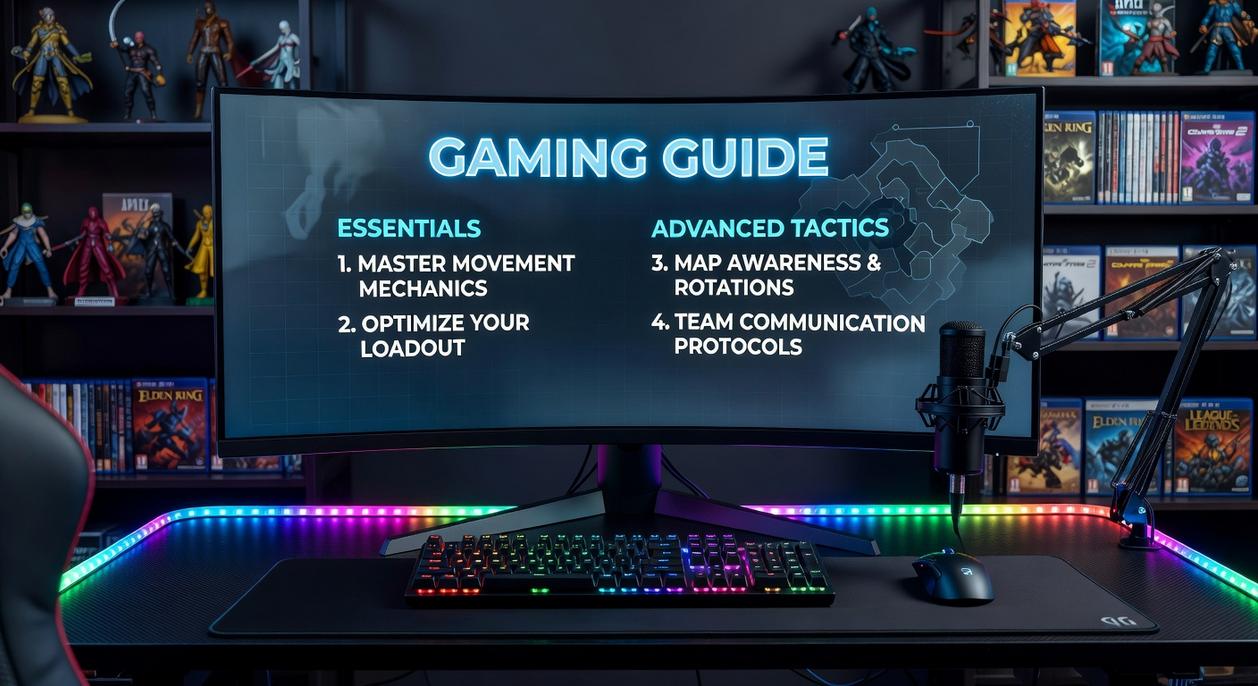
You can grind matches all day and still stay stuck at the same rank.
I see it happen all the time. Players put in the hours but never actually improve because they’re not learning from what they do.
Here’s what separates good players from great ones. They study the game like it’s a subject in school.
Some people think watching your own replays is boring. They say you should just play more games and let muscle memory take over. And sure, playing matters.
But if you’re making the same mistakes every match? More games just means more losses.
The Art of the VOD Review
Start simple. Pick one loss that felt close. Watch it back and look for three things.
First, your positioning when fights break out. Were you too far forward or hiding in the back when your team needed you?
Second, your cooldowns. Did you waste your big ability on nothing or hold it too long?
Third, your decisions at game-changing moments. That baron call at 25 minutes or the team fight you started when someone was still dead.
(You’ll cringe at some of your plays. That’s normal.)
Write down what you find. One or two things per VOD. That’s it.
Understanding the Meta
The meta is just what works right now. Which champions are strong, which strategies win games, what items people build.
It changes every patch. Sometimes a little, sometimes completely.
I think we’re heading toward a more aggressive early game meta next season based on the recent changes to jungle timers. But that’s speculation on my part.
You learn the meta by watching pros play and reading patch notes when they drop. The gamesters detailed guide dmgconselistas breaks down a lot of this stuff if you want more structure.
Proactive vs. Reactive Play
Reactive players wait to see what happens. Proactive players make things happen.
When you control the map, you force opponents to respond to you. They have to check that bush. They have to contest that objective. They have to back off or fight on your terms.
That’s where you want to be.
Set up your plays before they need to happen. Ward before the objective spawns. Position before the fight starts. Manage your resources so you have what you need when it matters.
Stop letting the game happen to you.
Creating Your System: Consistency and Health
You’ve probably heard this before.
Just grind more hours and you’ll get better.
Some players swear by it. They’ll tell you that putting in eight or ten hour sessions is the only way to climb ranks. That breaks are for people who aren’t serious about improving.
But here’s what actually happens when you do that.
You burn out. Your reaction time drops. You start making the same mistakes over and over because your brain is fried.
I’ve seen it dozens of times here in Weiner. Players come to me wondering why they’re stuck at the same rank after months of grinding. The answer is usually simple. They’re practicing wrong.
You need a system.
Here’s how I structure mine:
- Monday through Friday: 90 minutes of mechanical drills (aim training or movement practice)
- Tuesday and Thursday: One hour of VOD review from recent matches
- Wednesday and weekend: Live gameplay sessions with focused goals
Notice the breaks built in. That’s not laziness. That’s how your brain actually learns.
Sleep matters more than most people think. A study from the University of California found that sleep deprivation can reduce reaction time by up to 300% (Walker, 2017). You can’t aim if you’re running on four hours of sleep.
Same goes for what you eat and whether you move your body. I’m not saying you need to become a fitness guru. But sitting for six straight hours without stretching? Your performance will tank.
Now for tracking progress.
Write down three numbers each week. Win rate. Your main performance stat (K/D for shooters, accuracy percentage, whatever fits your game). And how you felt during sessions.
That last one sounds soft but it matters. If you’re improving your K/D but feeling miserable, something’s off with your system.
For detailed breakdowns on building better practice habits, check out this gameplay pleuropita for beginners dmgconselistas guide.
The goal isn’t to practice more. It’s to practice smarter while staying healthy enough to actually enjoy the game.
Your Path to the Next Level
You’re stuck and you know it.
You put in the hours but your rank stays the same. You watch pros make plays that seem impossible and wonder what you’re missing.
I get it because I’ve been there.
The problem isn’t your talent or how much you play. It’s that you’re practicing without a plan.
This guide gives you a framework that works. You’ll learn how to train with purpose instead of just grinding games. We’re talking mindset shifts, mechanical drills, and strategy breakdowns that actually stick.
You came here to find a way forward. Now you have it.
The difference between players who improve and players who plateau comes down to one thing: deliberate practice. Not more hours, smarter hours.
Here’s what you do next: Pick one strategy from this guide and use it today. Run the 20-minute warm-up before your next session or review a VOD when you’re done playing.
Just one thing.
DMG Conselistas Gamesters Detailed Guide from DMGaming
Your improvement starts with a single deliberate step. The frustration of being stuck is real but you can solve it with structure.
Stop spinning your wheels and start moving forward.